Business Customers
VAT Invoices
If you require a VAT invoice, please contact us directly to place your order instead of using our website. This allows us to ensure your invoice includes all the necessary company and tax information.
Proforma Invoices
Please get in touch and we will be happy to provide you with a proforma invoice.
Office / Workplace Visits (within 50 miles of Lincoln)
We are pleased to provide personal delivery, assembly, and a full demonstration for your new chairs. If your team members are unsure which model best suits their needs, we can arrange a workplace visit and demonstration prior to purchase. While our standard service area is within a 50-mile radius of Lincoln, we are happy to extend our delivery, assembly, and demonstration services further for large-quantity orders.
You can email us at karl@upright-balanced.co.uk or get in touch via our contact form.
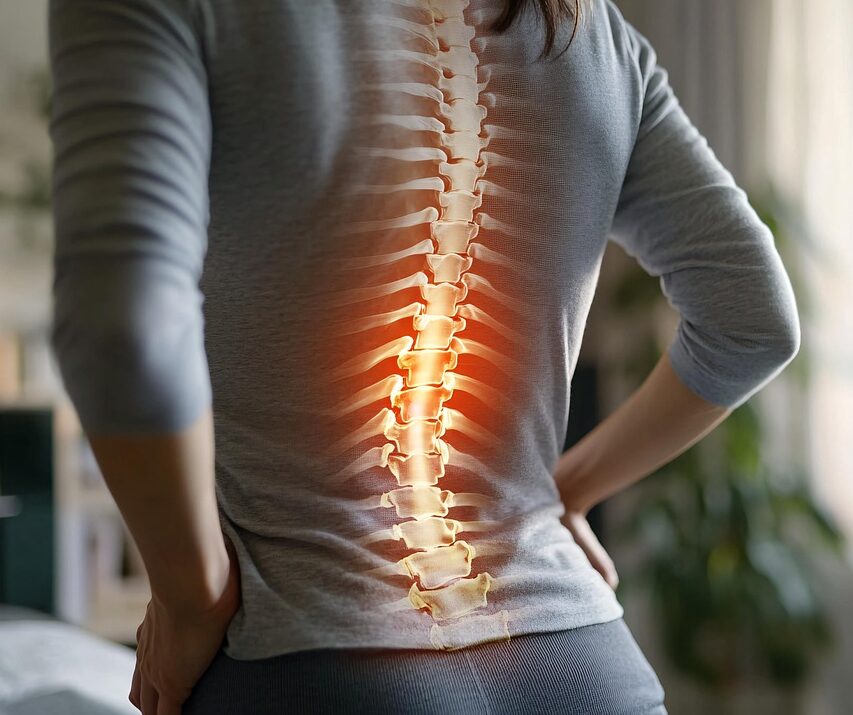
Frustrated that your employee still has back pain despite your investment in expensive ergonomic equipment?
It is completely understandable. You’ve poured time, effort, and money into top-tier setups, so seeing a team member continue to struggle can feel like hitting a brick wall. However, persistent pain when ergonomics “fail” is incredibly common. Even the most advanced setup cannot solve chronic back pain on its own if underlying behavioural or systemic issues are left unaddressed.
Here are the two primary reasons your ergonomic investments might not be working—and how to fix them.
1. The “Static Loading” Trap (Lack of Movement)
The human body is built to move. Even in a perfectly adjusted, high-end chair, staying in a fixed position for hours causes static loading. This fatigues the tissues supporting the spine, restricts blood flow, and ultimately triggers pain.
Movement is the most research-backed intervention for chronic back pain. Instead of providing a traditional chair that locks an employee into a “perfect” static posture, consider active sitting. A SpinaliS chair encourages constant micro-movements and muscle activation, preventing the pitfalls of long-term static loading.
Beyond the chair, look at your workplace culture. Encourage brief, active breaks—like standing, walking, or stretching for two minutes every half an hour. You can also boost overall activity levels by promoting lunchtime walks, corporate exercise classes, or cycle-to-work schemes.
2. The Stress Connection
Workplace stress is a massive, often overlooked driver of chronic pain. Tight deadlines, heavy workloads, and job dissatisfaction trigger involuntary muscle tension, particularly in the neck, shoulders, and lower back.
When an employee is highly stressed, their nervous system goes into overdrive, amplifying or even self-generating pain signals. This internal response can render standard ergonomic fixes practically useless. While physical activity helps calm the nervous system, addressing the root workplace stressors is vital to long-term relief.